

Operating models, governance and performance
A business may know what it wants to achieve while work still stalls between teams. We help organisations design how a service will be delivered, decide who has authority to act and establish measures that show where performance needs attention.
Service design, roles and transition
Start with the customer or operating need. Map how work moves across teams and partners, where responsibilities are unclear and which skills, systems and information the service requires. Test the proposed model against real work with the people who will use it.
The service design sets out what the team and its partners will do and which capabilities they need to build. We plan the transition with the people responsible, including dependencies, training and the measures that will show whether the new arrangements work.
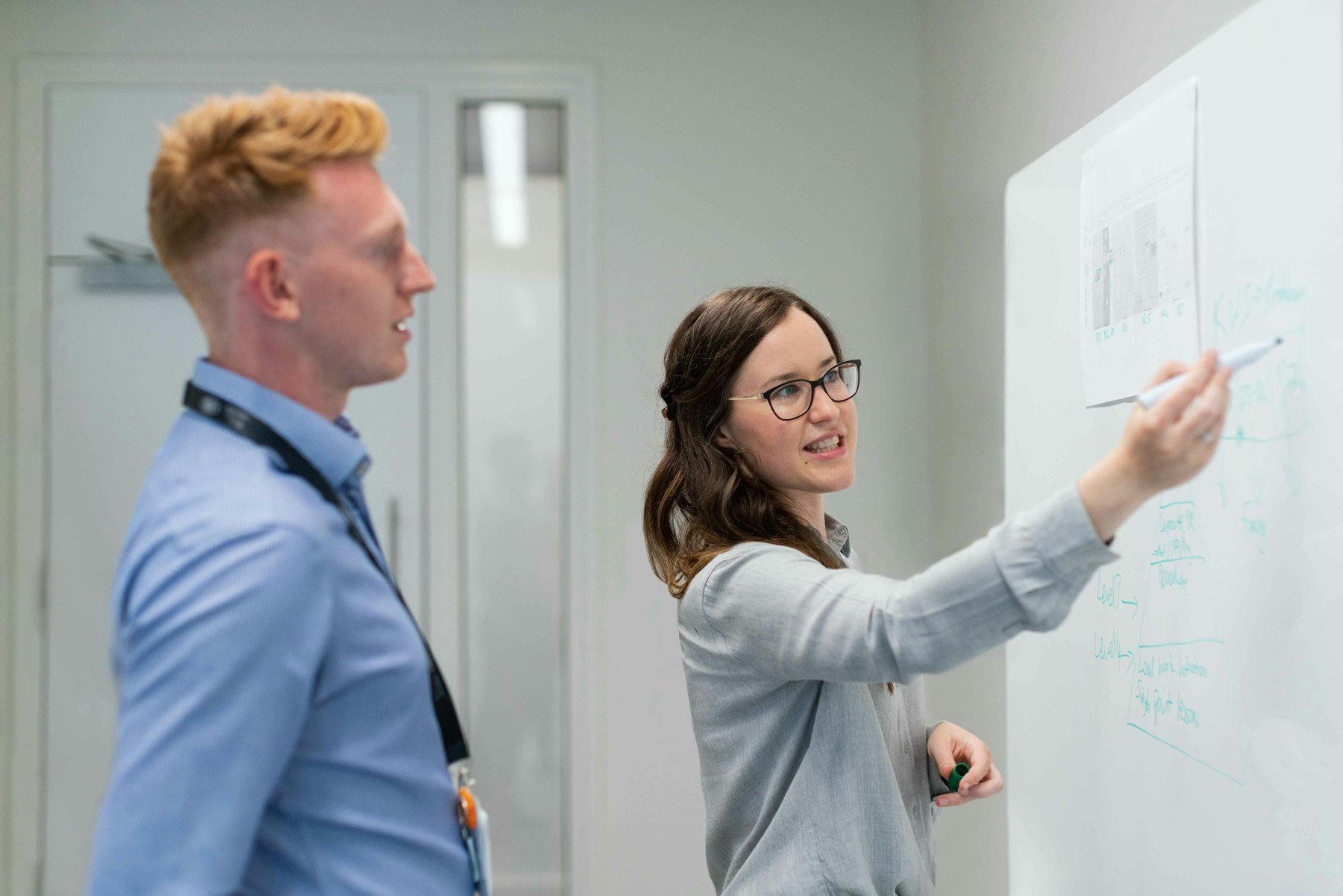
Decision rights, measures and escalation
Inconsistent definitions can hide a problem even when every team reports regularly. We identify which decisions belong at each level, what information the decision-maker needs and when an issue must be escalated.
Agree the measures with the people accountable for the work. Use decision papers, dashboards and review forums to compare priorities, capacity, cost and risk on a common basis. Assign improvement actions and follow their effect. For day-to-day control of an infrastructure project, project and programme management covers the delivery responsibilities.
Service and portfolio experience
For a technology business, Clarus Caelum connected a new telecommunications service with partner arrangements and the responsibilities needed to design, deliver and support it. The work continued into implementation.
For a major transport portfolio, Clarus Caelum worked with project directors to test common milestones, reporting and escalation on live projects. Comparable information supported portfolio decisions while each director retained accountability.
Earlier business transformation experience
Before founding Clarus Caelum, Timothy Scott led changes to the Australian business of a systems integrator while directing its motorway systems programme. The changes addressed the skills, responsibilities and decisions the local business needed to deliver the work.